Forest context
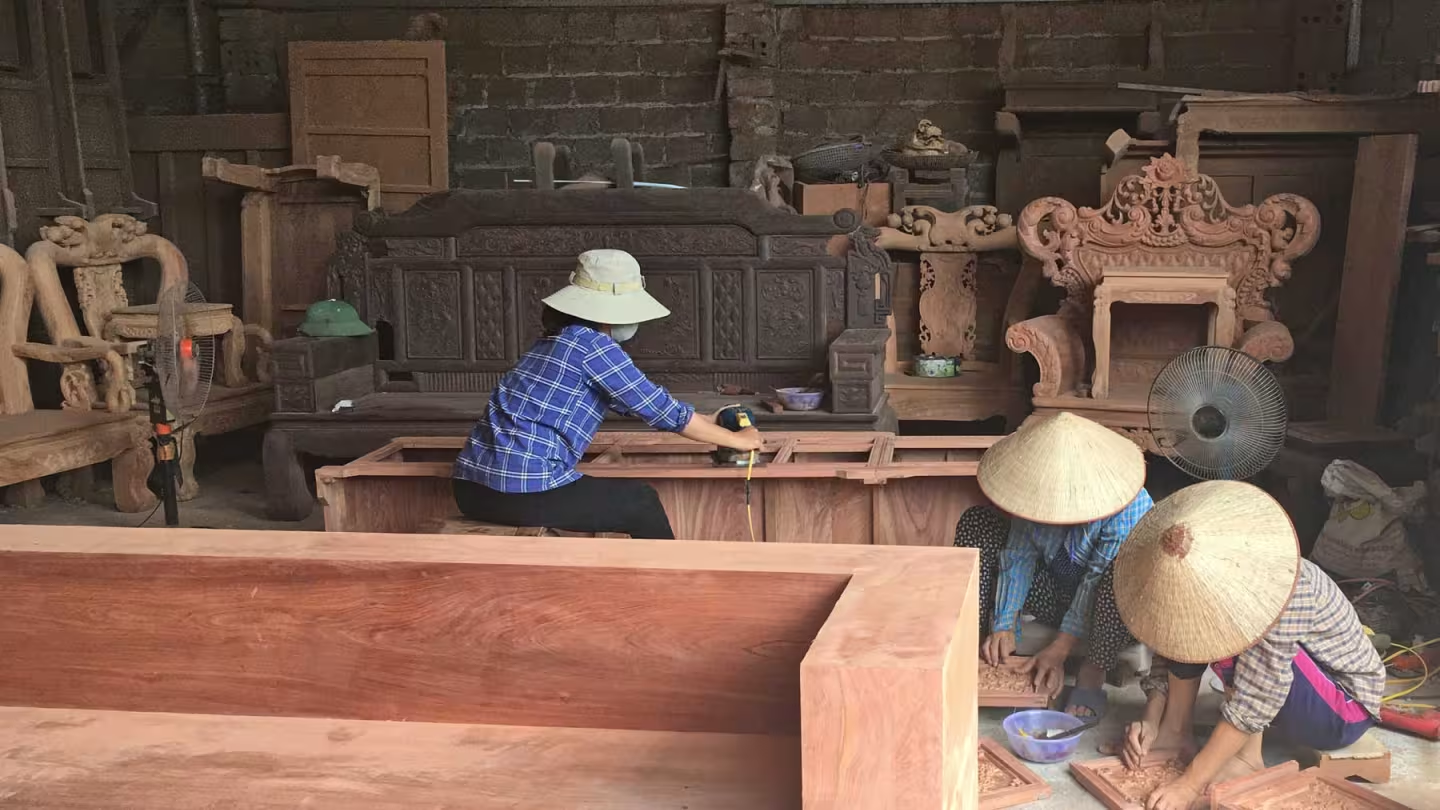
Viet Nam’s forests comprise a mix of tropical and subtropical ecosystems that sustain biodiversity, protect watersheds, and support rural livelihoods. Forest and land-use dynamics are shaped by agricultural expansion, plantation forestry and forest-linked commodities, notably timber, coffee, and rubber. Deforestation continues to be a challenge, although forest coverage rates have been relatively stable in recent years. Ongoing development of a carbon market is generating financing for forest protection and development, and a database of provincial-level forest boundaries is being developed to support implementation of the EU Deforestation Regulation. A Forest Law Enforcement, Governance and Trade (FLEGT) Voluntary Partnership Agreement (VPA) with the EU came into force in 2019, spurring development of a Vietnam Timber Legality Assurance System (VNTLAS) ensuring all timber products are verified as legally produced.
Our approach
EFI has supported Viet Nam in strengthening forest governance, improving forest smallholder livelihoods, and reinforcing traceable commodity value chains. We engaged with a range of actors – including national and local authorities, farmers and producers, the private sector, civil society and forest-dependent communities – through multistakeholder platforms to ensure inclusive forest-related policy formulation and implementation.
In the timber sector, EFI supported the VNTLAS development and worked with key stakeholders engaged in VPA processes to strengthen regulatory frameworks, build capacities and increase transparency and inclusive decision-making in the forest sector. We also supported smallholder tree growers and micro, small and medium-sized enterprises (MSMEs) with training and guidance to improve business practices and take on a greater role in policy development.
Beyond timber, EFI has also provided guidance in meeting the requirements of the EU Deforestation Regulation to actors in the rubber and coffee sectors, and undertaken preliminary scoping fieldwork on mining and its impact on forests. Work in the Central Highlands applied jurisdictional sustainability expertise and tools to support social inclusion and the resilience of food production systems and supply chains.
Projects in Viet Nam
EFI Rapid Response Programme
We support countries to strengthen forest governance and address land-use and climate challenges.
- Inclusive governance

Advancing jurisdictional sustainability in the Central Highlands region of Viet Nam
Developing a jurisdictional sustainability framework and an associated monitoring system in Viet Nam to promote sustainable land use and coffee…
- Inclusive governance
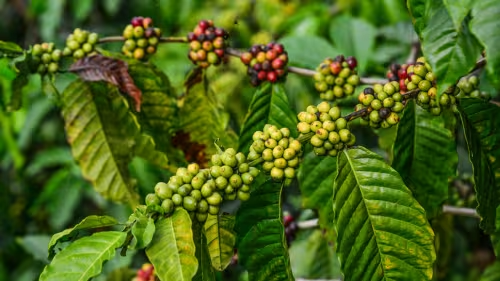
Forest Smallholders Project
We tested solutions to smallholders’ key challenges in pilot projects and shared lessons from these pilots nationally, regionally and internationally.
- Inclusive governance
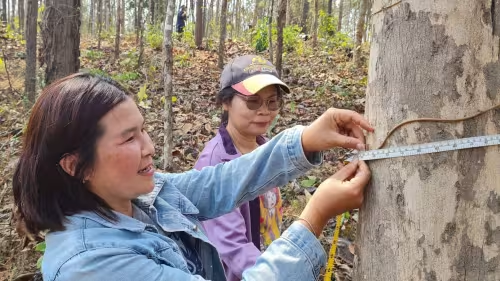
EU REDD Facility
We supported partner countries improve land-use to combat deforestation, and EU efforts to stop developing country deforestation.
- Inclusive governance
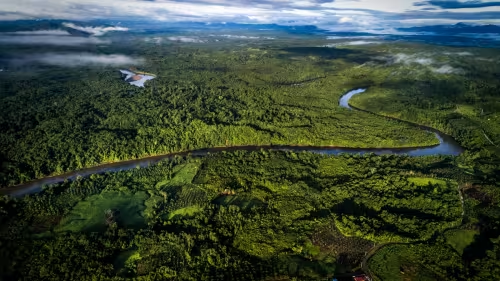
EU FLEGT Asia Programme
We worked to improve forest governance and promote legal trade of timber across Asia.
- Inclusive governance

EU FLEGT Facility
We supported the EU and timber-producing countries in the implementation of the FLEGT Action Plan with a focus on Voluntary Partnership Agreements.
- Inclusive governance
Latest Viet Nam publications
Preparedness check of the coffee sector in Viet Nam for the EU Deforestation Regulation
This preparedness check aims to identify the main challenges in the coffee sector in Vietnam, including administrative and technical gaps.
- Sustainable economy

Preparedness check of the commercial forestry sector in Viet Nam for the EU Deforestation Regulation
This report aims to identify the challenges in the commercial timber and timber products (TTP) sector, including administrative and technical gaps.
- Sustainable economy
