Natura 2000 and forests: Assessing the state of implementation and effectiveness

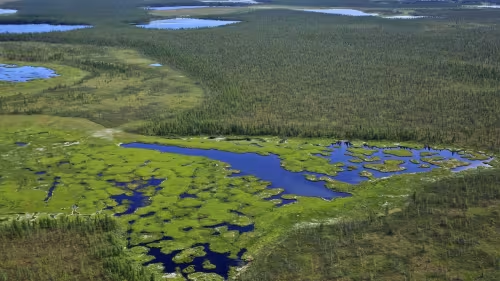
Photo by:
K.-U. Häßler, AdobeStock
Forests are of crucial importance for Natura 2000, the EU-wide ecological network of protected areas. Nearly 25% of the total forest area in the EU is part of the network, but knowledge about how Natura 2000 is implemented in forests, and its effects on biodiversity, forest management and other land uses across the EU is fragmented.
‘Natura 2000 and forests: Assessing the state of implementation and effectiveness’, bridges this gap in knowledge. It looks from policy, economic and ecological perspectives at the monitoring of forest biodiversity in Europe, as well as the challenges, achievements, effectiveness and efficiency of the implementation of Natura 2000 in forests in the EU. The study also provides recommendations to support decision making in policy and practice.
Citation
Metodi Sotirov (ed). 2017. Natura 2000 and forests: Assessing the state of implementation and effectiveness. What Science Can Tell Us 7. European Forest Institute.
Number of pages: 146
ISBN 978-952-5980-38-7 (pdf)
Related content
Forest Biodiversity in Europe
This study focuses on how we can effectively maintain and enhance forest biodiversity in Europe.
- Resilient forests
Closer-to-Nature Forest Management
Closer-to-Nature Forest Management boosts biodiversity and climate resilience in Europe’s managed multifunctional forests.
- Resilient forests

Russian forests and climate change
Overview of how forest sector can help Russian Federation to meet its Paris Agreement targets
- Resilient forests