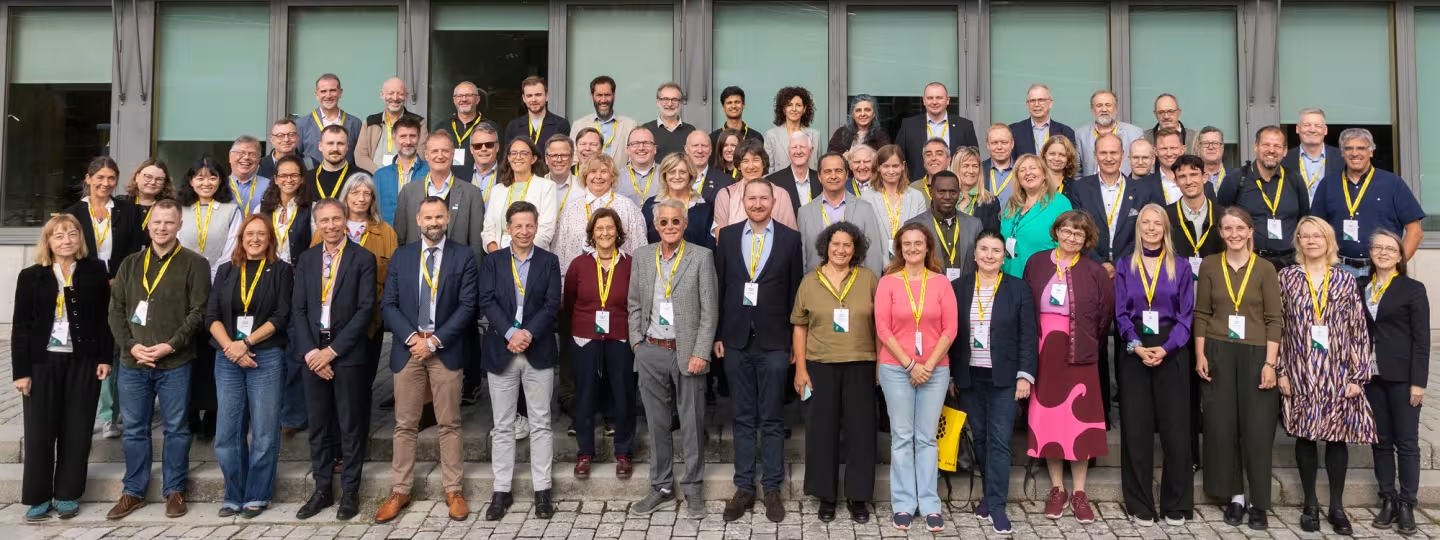
EFI Annual Conference 2026: from member priorities to collaborative action
EFI Annual Conference is an opportunity for the wide EFI community to engage in a little inward reflection and a lot of collective inspiration. It is a vital part of EFI’s governance structure that the organisation accounts to its members on past work and achievements but, most importantly, the main focus is always firmly on the future.
This year’s conference took place in Växjö, Sweden, hosted by EFI member Linnaeus University. The main objective was to strengthen member engagement and create more opportunities for collaboration. Växjö, whose name originally means “the place to meet”, provided a fitting setting for EFI staff, members and partners to connect on campus, in the city and during the forest field trip.
Member’s dialogue
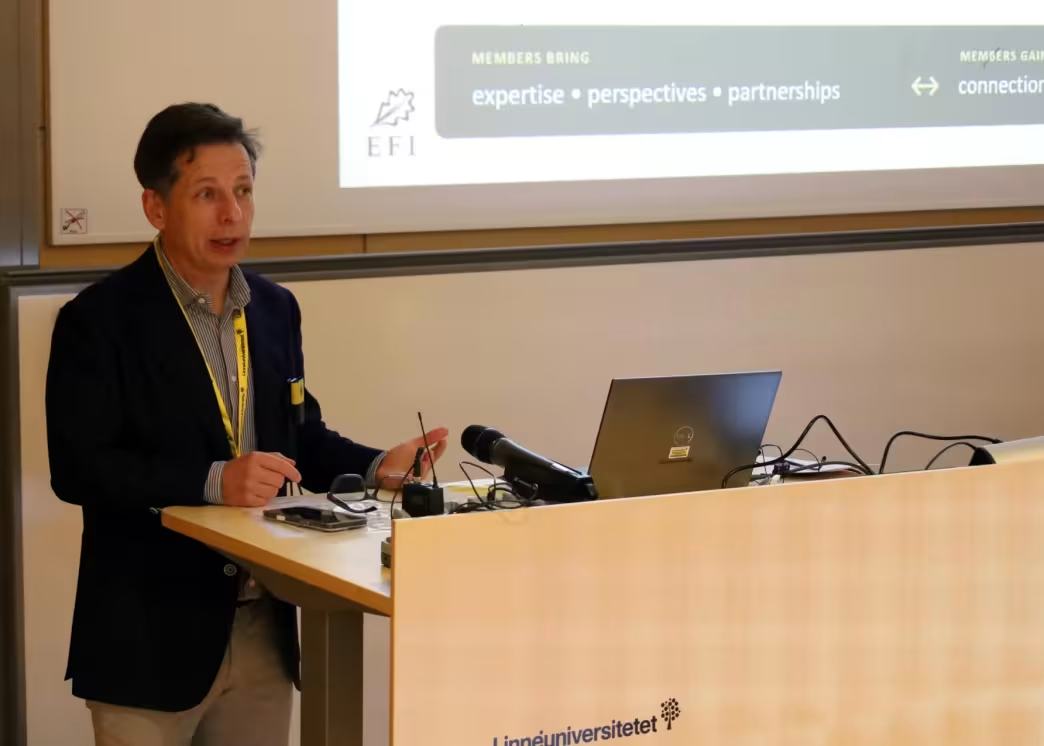
Photo by:
Shanqing Gao
The conference began with a morning dedicated to dialogue with members. Building on the needs and priorities identified at the 2025 Annual Conference, the EFI Secretariat and Board presented new approaches to member engagement, collaboration and the benefits of EFI membership.
The discussion was guided by the Action Plan 2030 and its four functions and three priority topics. Connection, co-creation and trust were highlighted as essential for delivering the EFI Strategy 2040.
Members were introduced to three main initiatives. First, EFI presented the renewed Network Fund, through which associate and affiliate membership fees support member-led projects aligned with EFI’s strategic priorities. Participants discussed how to make the fund as useful and accessible as possible, with particular attention to member participation and effective implementation. The next call, focusing on biodiversity, will be announced shortly through EFI’s communication channels.
Second, members discussed how to improve connections and collaboration across the EFI network. A planned competence mapping exercise will make it easier to identify expertise, find partners and build consortia. Members provided initial input on what the mapping should include and how it could best support their needs.
Finally, EFI presented plans to broaden its Policy Support activities. The proposed approach places greater emphasis on member participation and on mobilising expertise from across the network. Members shared which elements of Policy Support they value most and identified emerging policy topics where the EFI community could contribute.
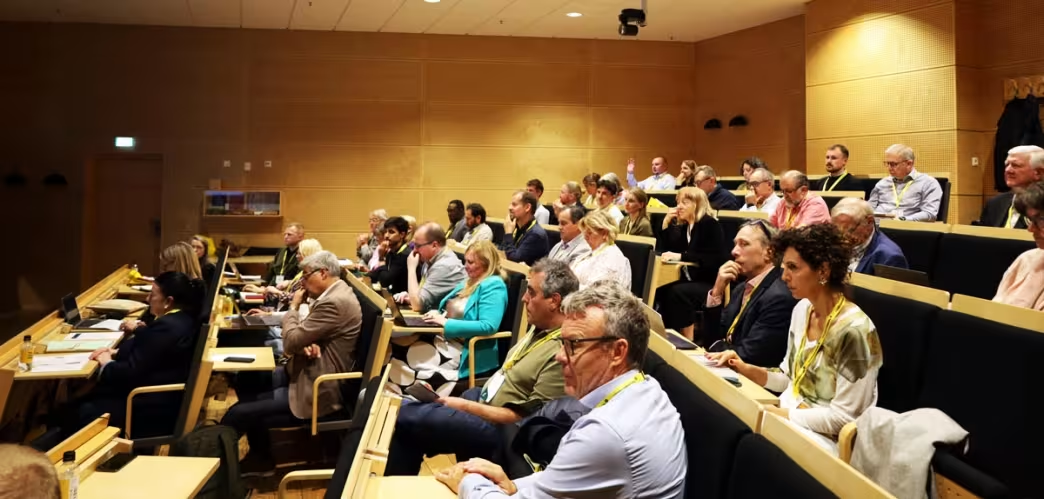
Photo by:
Shanqing Gao
Decision making session
Day one concluded with the Ordinary Session of the Annual Conference, during which Associate Members voted on EFI governance matters. Key decisions included:
- Prof. Jyrki Kangas was re-elected to the EFI Board for the 2026–2029 term.
- The Annual Conference agreed to waive the 2026 membership fees for EFI’s Ukrainian member organisations.
- Wollega University, Ethiopia, was welcomed as a new Affiliate Member. EFI’s network now comprises approximately 121 member organisations from 40 countries.
- Bern was selected to host the 2028 Annual Conference and Soria the 2029 Annual Conference.
Scientific seminar and field trip
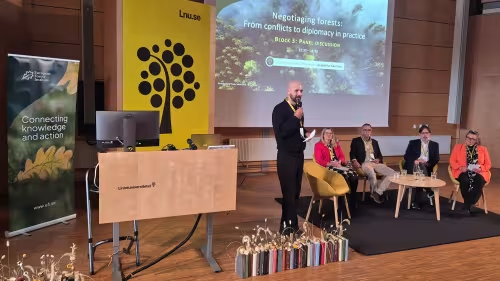
The Scientific Seminar, “Forest Frontlines: from conflict to democracy”, brought together experts offering diverse perspectives on forest conflict and diplomacy. The discussions moved from understanding the nature of forest conflicts to exploring practical approaches and mindsets for conflict transformation and forest diplomacy.
The conference concluded with a field trip to the Attsjö Super Test Site, where advanced research infrastructure is integrated across a mosaic of forest stands. Participants learned how this infrastructure supports high-resolution research on forest water and carbon dynamics, tree vitality, biodiversity, forest damage and ecosystem services.
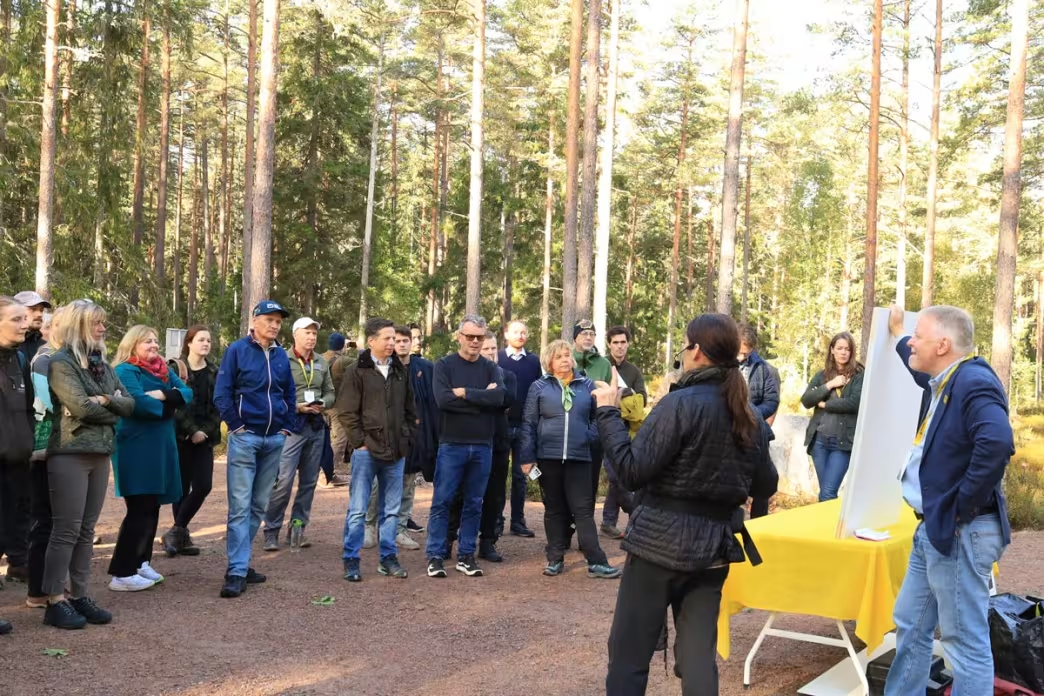
Photo by:
Shanqing Gao
Related content
EFI Scientific Seminar 2026: Forest Frontlines: From Conflicts to Diplomacy
The seminar moved from understanding of forest conflicts to exploring tools and mindsets for conflict transformation and forest diplomacy.
- Inclusive governance
EFI Council adopts new Policy Framework and reinforces impact focus
The session brought together representatives of EFI Member Countries to take stock of recent developments and agree on priorities.
- Inclusive governance
EFI Strategy 2040 – Forests in a changing world
EFI has launched a major new strategy which will shape the work of the Institute over the next 15 years.
- Resilient forests