Morocco hosts first MEDFORGEN Train-the-Trainers workshop on genetic considerations in forest inventories
Experts from across the Southern and Eastern Mediterranean met in Ifrane National Park to build skills, share methodologies and strengthen regional cooperation for the conservation of forest genetic resources.
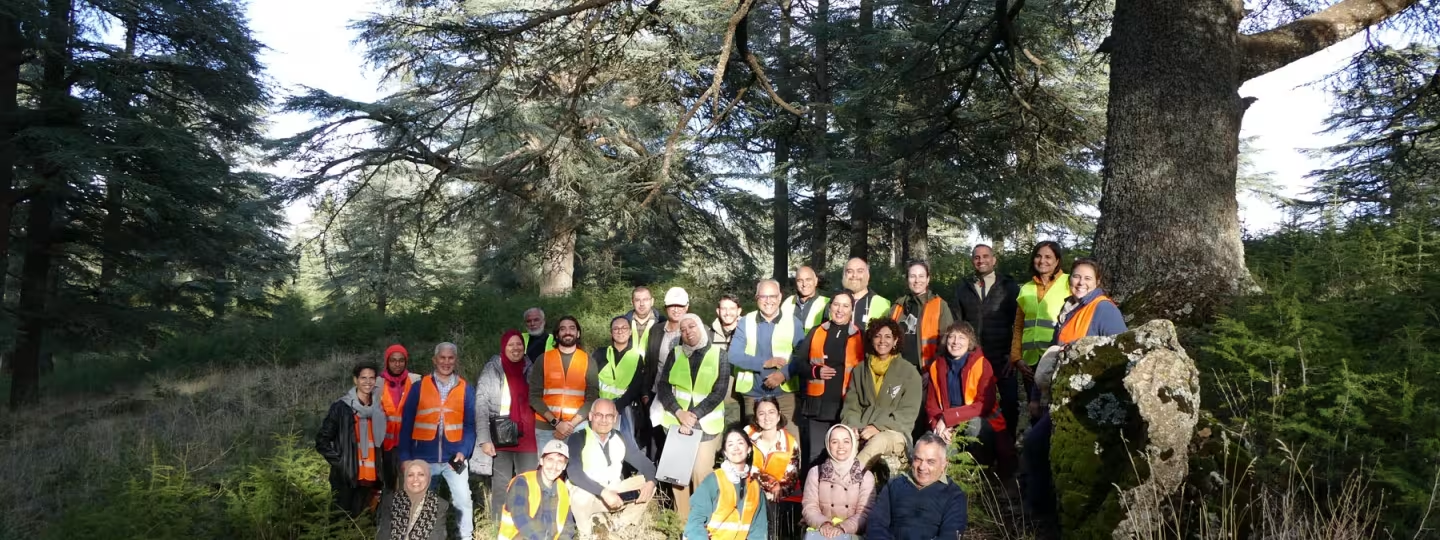
The first MEDFORGEN Train-the-Trainers workshop on integrating forest genetic resources into forest inventories took place on 20–21 October 2026 in Morocco's Ifrane National Park. Organised by EFI through the EU-funded Mediterranean Forest Genetic Resources (MEDFORGEN) project, the training was held in collaboration with Morocco's National Agency for Water and Forests (ANEF) and Spain's Forest Science Institute (ICIFOR-INIA-CSIC).
The event brought together more than 30 forest experts, researchers and practitioners from nine countries across the Southern and Eastern Mediterranean. Combining classroom sessions with field exercises, the workshop aimed to strengthen regional capacities to assess, monitor and conserve forest genetic resources through national forest inventories.
As climate change continues to increase pressure on Mediterranean ecosystems, understanding and safeguarding genetic diversity is becoming an essential component of sustainable forest management. Forest genetic diversity provides the basis for adaptation to drought, rising temperatures, pests and other environmental stresses. Once lost, this diversity cannot be recovered.
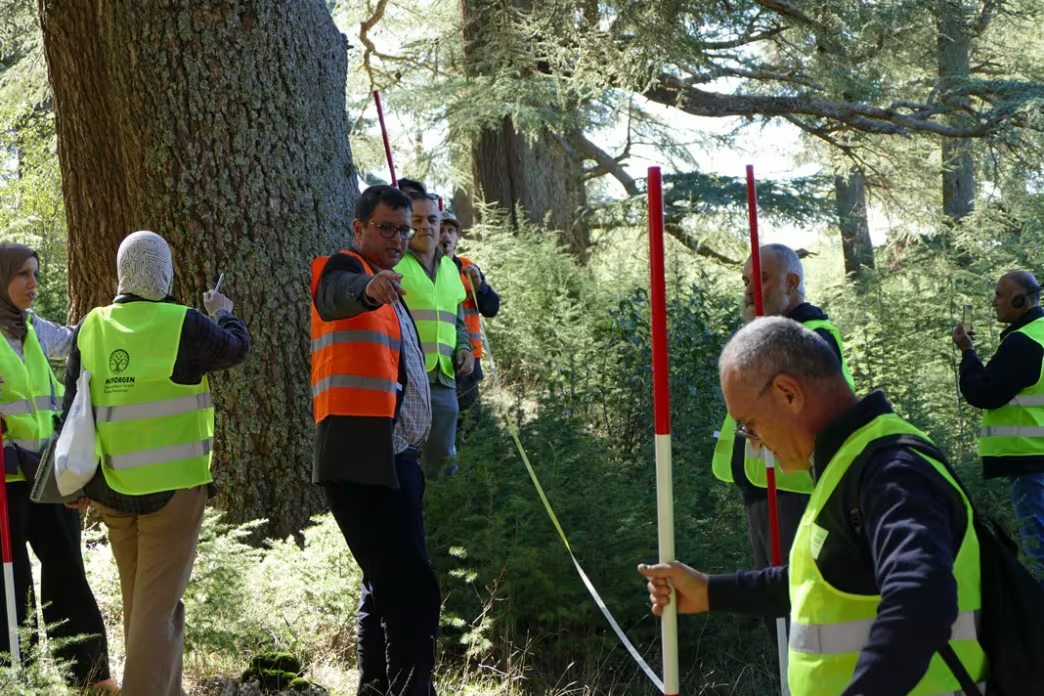
Participants work on an inventory plot, applying forest inventory methods in the field. Photo: María González Delgado, EFI.
"Morocco offers a particularly relevant setting for the first MEDFORGEN Train-the-Trainers workshop."
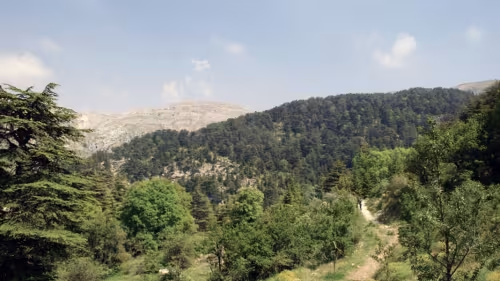
"The country has a long history of forest inventories, including the documentation and conservation of Atlas cedar (Cedrus atlantica) populations, making Ifrane National Park an ideal place to develop a common regional approach," said Rahbi Amar, Head of the Centre for Innovation, Research and Forestry Training (CIRF) at ANEF and Government National Representative in MEDFORGEN.
Building a regional network of trainers
A central objective of the workshop was to create a multiplier effect. Participants were trained not only to apply the methodologies themselves, but also to transfer this knowledge to students, forest technicians and practitioners in their own countries.
This approach reflects one of MEDFORGEN's key ambitions: strengthening local expertise while fostering a shared regional framework for the conservation and sustainable use of forest genetic resources.
Participants explored the principles and practical applications of forest inventories, while also working directly with MEDFORGEN's field toolkit, designed to support the collection and interpretation of data related to forest genetic resources.
Introducing the marteloscope approach in the region
The workshop also introduced participants to the marteloscope approach, a practical training tool that supports plot-level assessment, silvicultural decision-making and the interpretation of forest conditions in the field.
Combined with conventional forest inventory methods, the approach can enhance understanding of forest dynamics and contribute to more informed management decisions that support both biodiversity conservation and forest resilience.
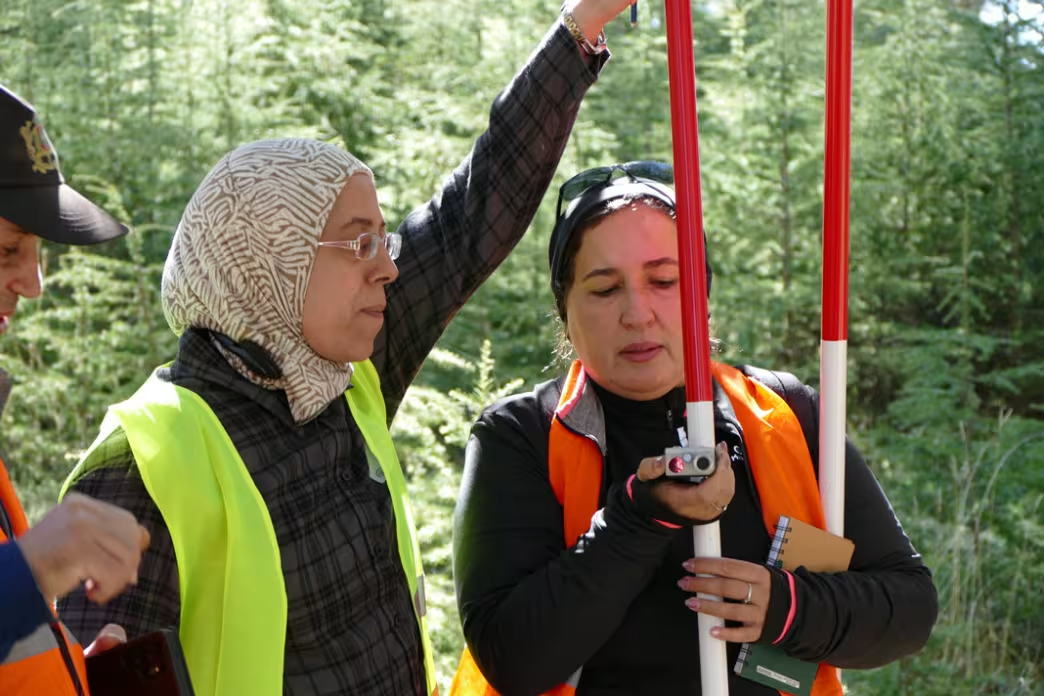
Hands-on practice with field instruments during the workshop’s field exercises. Photo: María González Delgado, EFI.
"Universities can turn this training into something much bigger."
"By integrating these methodologies into our curricula, successive generations of students can return to the same forest sites, contributing to long-term monitoring and building valuable datasets over time. Replicated across the Mediterranean, this could create a powerful network for both education and forest observation," said Prof. Leila Medraoui of Mohammed V University in Rabat and Higher Education Representative in MEDFORGEN.
Why genetic diversity belongs in forest inventories
Mediterranean forests are among the world's most important biodiversity hotspots, yet they are increasingly affected by climate-related pressures, including prolonged droughts, extreme temperatures and more frequent wildfires.
While national forest inventories provide essential information on forest extent and condition, genetic diversity is often overlooked despite being a critical factor in the ability of forests to adapt to changing environmental conditions.
Integrating forest genetic resource assessments into existing inventory systems can help identify priority populations for conservation, improve monitoring efforts and support evidence-based policymaking.
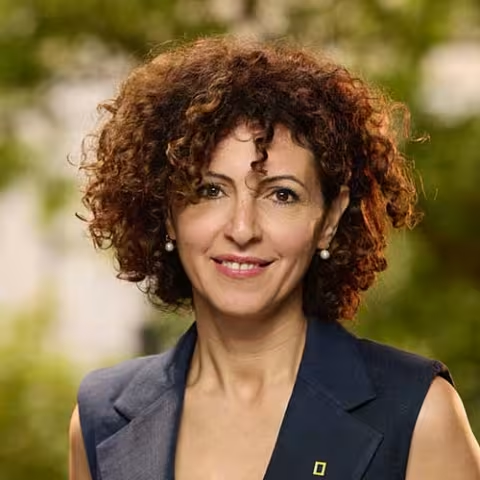
"Forest inventories are among the most important tools countries use to understand and manage their forests, yet they rarely capture the genetic dimension that underpins resilience and adaptation. Through this workshop, we are helping build a common methodology and a network of professionals capable of applying it across the region. What begins in Ifrane can become a coordinated effort that strengthens forest conservation throughout the Southern and Eastern Mediterranean."
From training to regional action
The workshop concluded with strong engagement from participants and a shared commitment to continue applying and disseminating the methodologies introduced during the training.
Beyond technical skills, the event created new opportunities for cooperation among institutions and experts working on common challenges across the Mediterranean region. By establishing a network of trained professionals and promoting harmonised approaches, the workshop marks an important step towards strengthening regional capacity for the conservation of forest genetic resources.
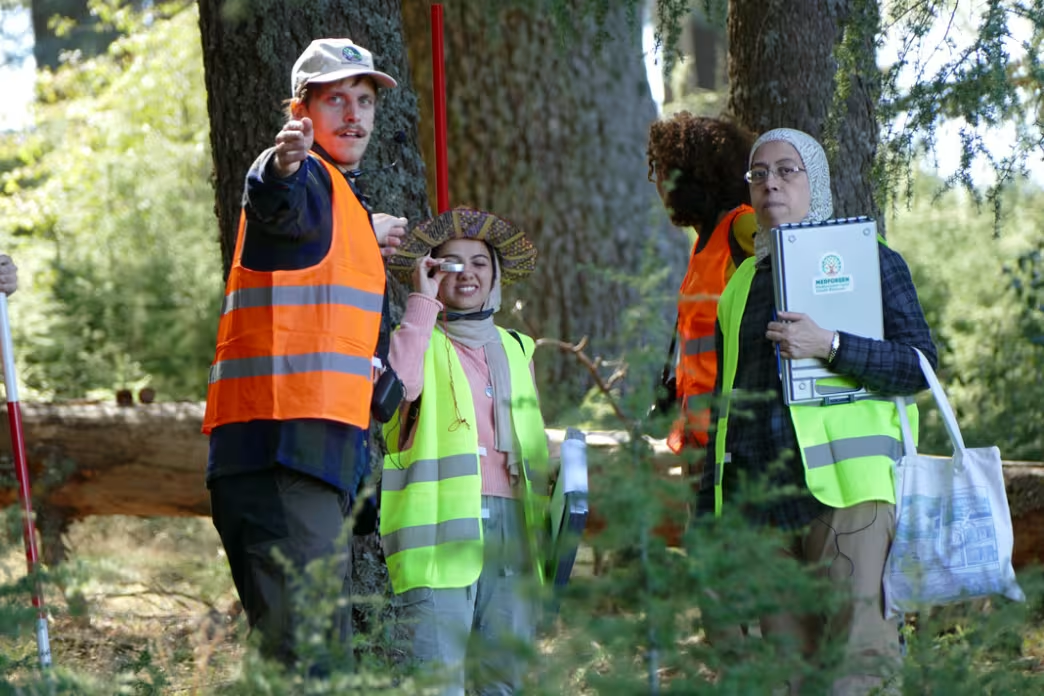
Participants take measurements during a field exercise in Ifrane National Park. Photo: María González Delgado, EFI.
"The MEDFORGEN Train-the-Trainers workshop in Ifrane, Morocco, was a highly educational and enriching experience."
"It was a great opportunity to deepen our understanding of forest inventories and forest genetic resource conservation, while connecting theoretical knowledge with practical field applications. What made this workshop particularly valuable was the exchange of experiences and expertise among participants from different Mediterranean countries. Such initiatives are essential for strengthening regional capacities, encouraging collaboration, and promoting more sustainable and resilient forest management across the Mediterranean." Dr. Khaled Abulaila, Higher Education Representative in MEDFORGEN.
"The two-day workshop opened my eyes to new directions in relation to forest genetic resources."
"The workshop triggered common thinking and exchange with peers in the field of forestry and genetic diversity as well as priority species to conserve for future generations under future climatic conditions. The workshop was also an opportunity to expand my network of connection across the Mediterranean, leverage my expertise in forest inventory with colleagues from various countries, and build good memories from Morocco." Dr. Jean Stephan, from the Lebanese University.
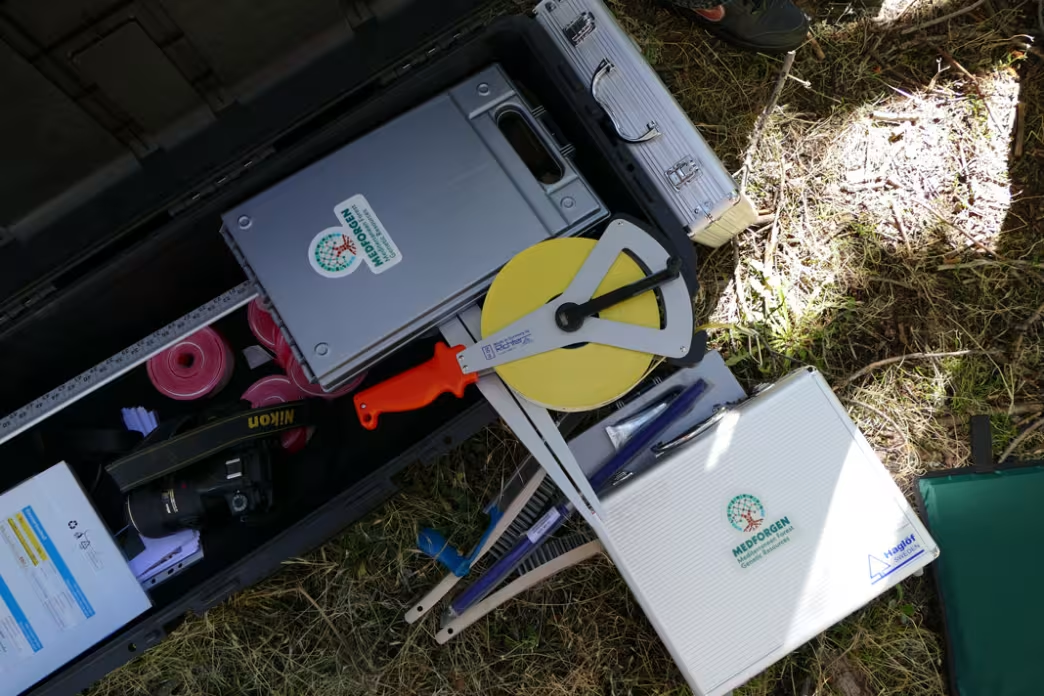
The MEDFORGEN field toolkit, designed to support the collection and interpretation of data related to forest genetic resources. Photo: María González Delgado, EFI.
The European Union's support
MEDFORGEN is funded by the European Union and works with ten countries across the Southern and Eastern Mediterranean to strengthen the conservation and sustainable management of forest genetic resources.
"By supporting MEDFORGEN, the European Union is investing in the capacities, partnerships and knowledge needed to help Mediterranean forests respond to climate change. Protecting forest genetic diversity is essential not only for ecosystems, but also for the communities and livelihoods that depend on them," said Juan Pedro Castro, Programme Officer at the Directorate-General for the Middle East, North Africa and the Gulf (DG MENA).
Related content
MEDFORGEN launched to protect forest genetic resources across the Mediterranean
MEDFORGEN was launched last March as a coordinated effort to safeguard the genetic diversity of forest ecosystems across the Mediterranean region.
- Resilient forests
EFI launches MEDFORGEN project
The project focuses on ten countries in the EU Southern Neighbourhood: Algeria, Egypt, Israel, Jordan, Lebanon, Libya, Morocco, Palestine, Syria, and…
- Resilient forests
MEDFORGEN
A collaborative effort to safeguard the genetic diversity of forest ecosystems across the Mediterranean region.
- Resilient forests