EFI Mediterranean Network Forum 2026 closes with concrete outputs in Valencia
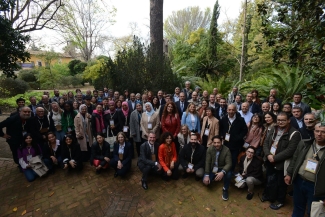
The EFI Mediterranean Network Forum 2026 concluded after five days of intense scientific exchange, cross-border collaboration, and forward-looking policy dialogue, reaffirming the centrality of Mediterranean forests to global sustainability agendas. The Forum brought together more than 190 participants from 27 countries across Europe, the Middle East, North Africa, and beyond, and was organised by EFI, in collaboration with the Spanish Agency for International Development Cooperation (AECID), the Centre for Forestry Research and Experimentation (CIEF) and Universitat Politècnica de València (UPV).
A Forum at the Crossroads of Science, Policy, and Action
Held from 23 to 27 March 2026, the Forum opened with an official ceremony at the Valencia Botanical Garden that set the tone for the days ahead. High-level representatives from the Spanish Ministry for Science, Innovation and Universities, the Spanish Ministry for the Ecological Transition and Demographic Challenge, the Generalitat Valenciana, the Union for the Mediterranean (UfM), the Partnership for Research and Innovation in the Mediterranean Area (PRIMA) and the Spanish Agency for International Development Cooperation (AECID) joined EFI leadership to officially inaugurate the Forum.
Over the course of four days and with a day of field visits, the Forum addressed some of the most pressing challenges facing Mediterranean forests today: climate change, biodiversity loss, wildfire risk, watershed management, ecosystem services valuation, and the cultural and economic potential of the carob tree. More than 60 speakers, keynote presenters, panellists and flash-talk contributors engaged in evidence-based dialogue connecting scientific knowledge with governance and implementation.
Key Themes and Scientific Highlights
Day two at the Universitat Politècnica de València brought together leading voices from across the Mediterranean for three thematic sessions following up on the priorities of the Mediterranean Forest Research Agenda 2030, published by EFIMED in 2022.
The session on Forests and Diplomacy explored how forest governance can bridge nations across a politically diverse region, with emphasis on the intersections of diplomacy, science, conservation, and international law.
The session on Ecosystem Services and Bioeconomy spotlighted forests' multiple contributions to human health and well-being, alongside carbon credit opportunities and market-based instruments for ecosystem services.
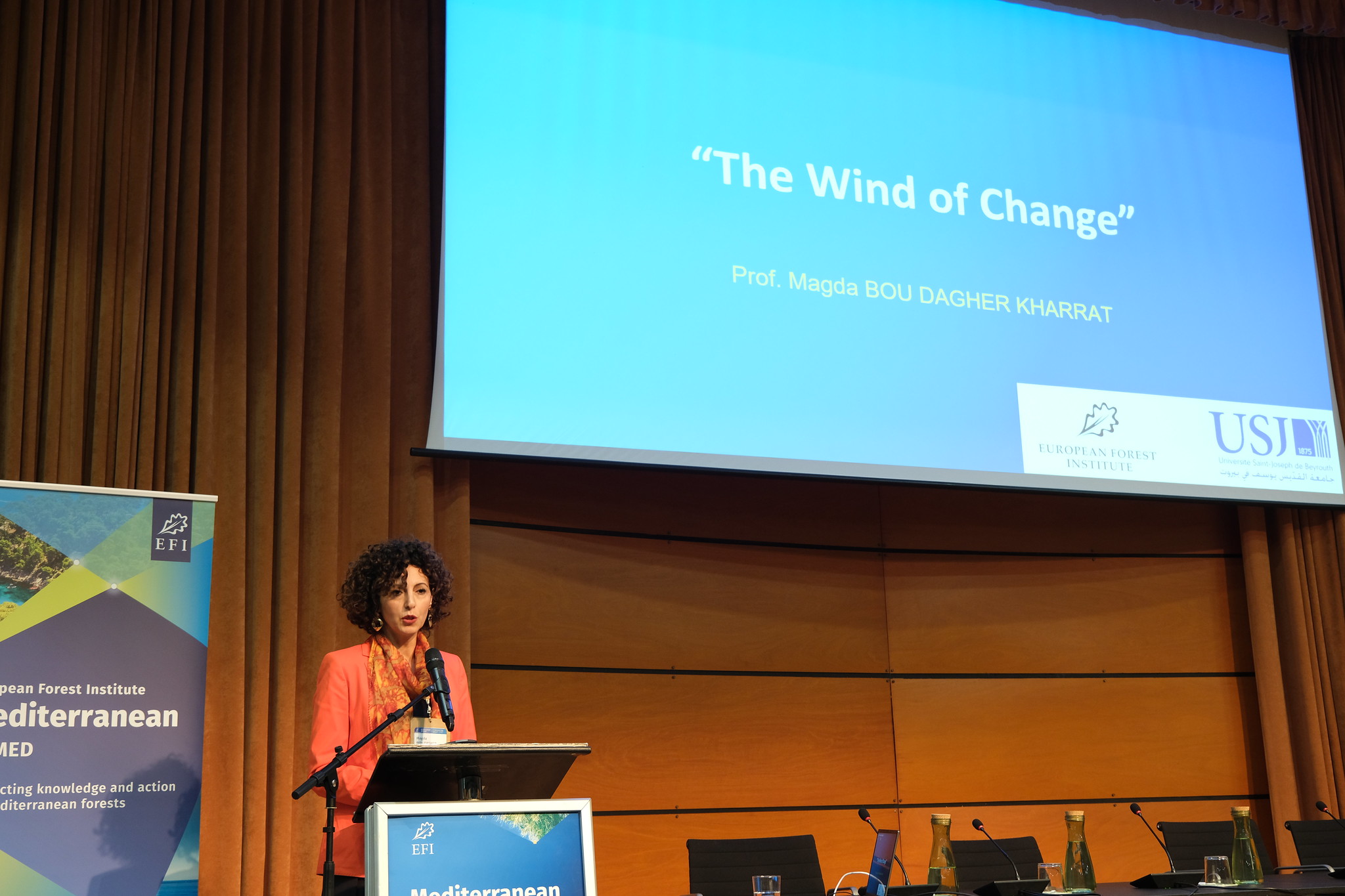
The session on Biodiversity and Resilience underscored the critical role of species diversity in building forest resistance to climate change, exploring nature-based solutions, drought impacts, and silvicultural strategies. It also featured the formal launch of MEDFORGEN, EFI's new initiative on Mediterranean Forest Genetic Resources, presented by Prof. Magda Bou Dagher Kharrat, Lead of the EFI Mediterranean Facility.
“Mediterranean forests are not just ecosystems, they are the foundation of livelihoods, culture, and climate resilience across more than twenty countries. This Forum has shown that science, diplomacy, and local knowledge must work hand in hand to secure their future”, says Magda Bou Dagher Kharrat, Lead, EFI Mediterranean
Hackathons: Co-Creating Solutions Across Borders
Day three transformed the Forum from a space of exchange into a multidisciplinary laboratory of action. Through a series of intensive hackathons, participants from diverse professional backgrounds (researchers, policymakers, practitioners, private sector actors, and civil society representatives) worked collaboratively to co-create practical solutions to shared Mediterranean challenges.
Three parallel hackathon tracks addressed Watershed Management, Carob Value Chains and Forest Genetic Resources. Each group was tasked with producing a consensual set of technical, governance and financial recommendations ready for implementation. In the afternoon plenary, hackathon facilitators presented their findings to a panel of funders and policymakers, including representatives of the Union for the Mediterranean, PRIMA, AECID, the Interreg NEXT MED Programme and FAO’s Silva Mediterranea.
The hackathon session reflected the Forum’s deliberate design philosophy: moving beyond information-sharing toward co-creation, ensuring that scientific knowledge is translated into policy-relevant and locally grounded solutions.
The Carob Conference: Reviving a Mediterranean Heritage
The final day of the Forum featured a dedicated Carob Conference, held at the Valencia Botanical Garden and attended by researchers, producers, entrepreneurs, and heritage advocates from across the Mediterranean. The conference explored the full carob value chain from its genetic origins and agronomy to industrial processing, international trade dynamics, and its deep cultural significance in Mediterranean societies.
Participants heard keynote presentations from institutions in Spain, Tunisia, Algeria, Greece, Lebanon, Morocco, Italy, and France, reflecting the genuinely pan-Mediterranean scope of the carob sector. Featured sessions examined sustainable cultivation practices for climate-resilient carob systems, the bioactive potential of carob by-products, market development and trade dynamics, and the tree’s place in the cultural landscapes and ancestral memories of Mediterranean communities.
The conference closed with a celebratory exhibition of carob products and a traditional musical performance, bringing together science, heritage, and community in the spirit of the Forum.
Field Visits: Learning from the Landscape
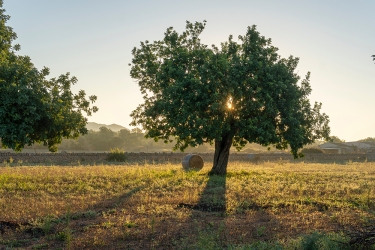
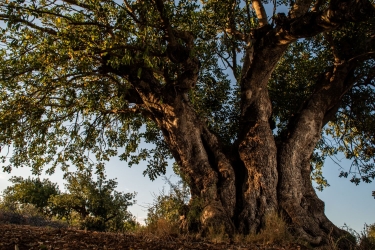
On 26 March, participants joined two optional field visits to ground the Forum’s discussions in the realities of the Valencian landscape. One Field Visit offered a direct encounter with the aftermath of the catastrophic 2024 DANA flood events, exploring how natural vegetation and watershed management practices influence flood resilience. The second Field Visit toured modern carob cultivation sites and visited a monumental carob tree in Chiva, connecting participants to the ecological, cultural, and historical dimensions of one of the Mediterranean’s most iconic species.
Looking Forward
The EFI Mediterranean Network Forum 2026 closes with a renewed sense of urgency and shared purpose. The challenges facing Mediterranean forests such as intensifying wildfires, prolonged droughts, biodiversity decline, and fragmented governance, are not challenges any single country or institution can face alone. This Forum has demonstrated the value of a regional network built on trust, scientific rigour, and genuine cross-sectoral partnership.
The outcomes of the hackathons, the MEDFORGEN launch, and the conclusions of the Carob Conference will feed into upcoming international policy processes, including preparations for the 9th Mediterranean Forest Week, the joint planning committee for which held its inaugural meeting during the Forum.
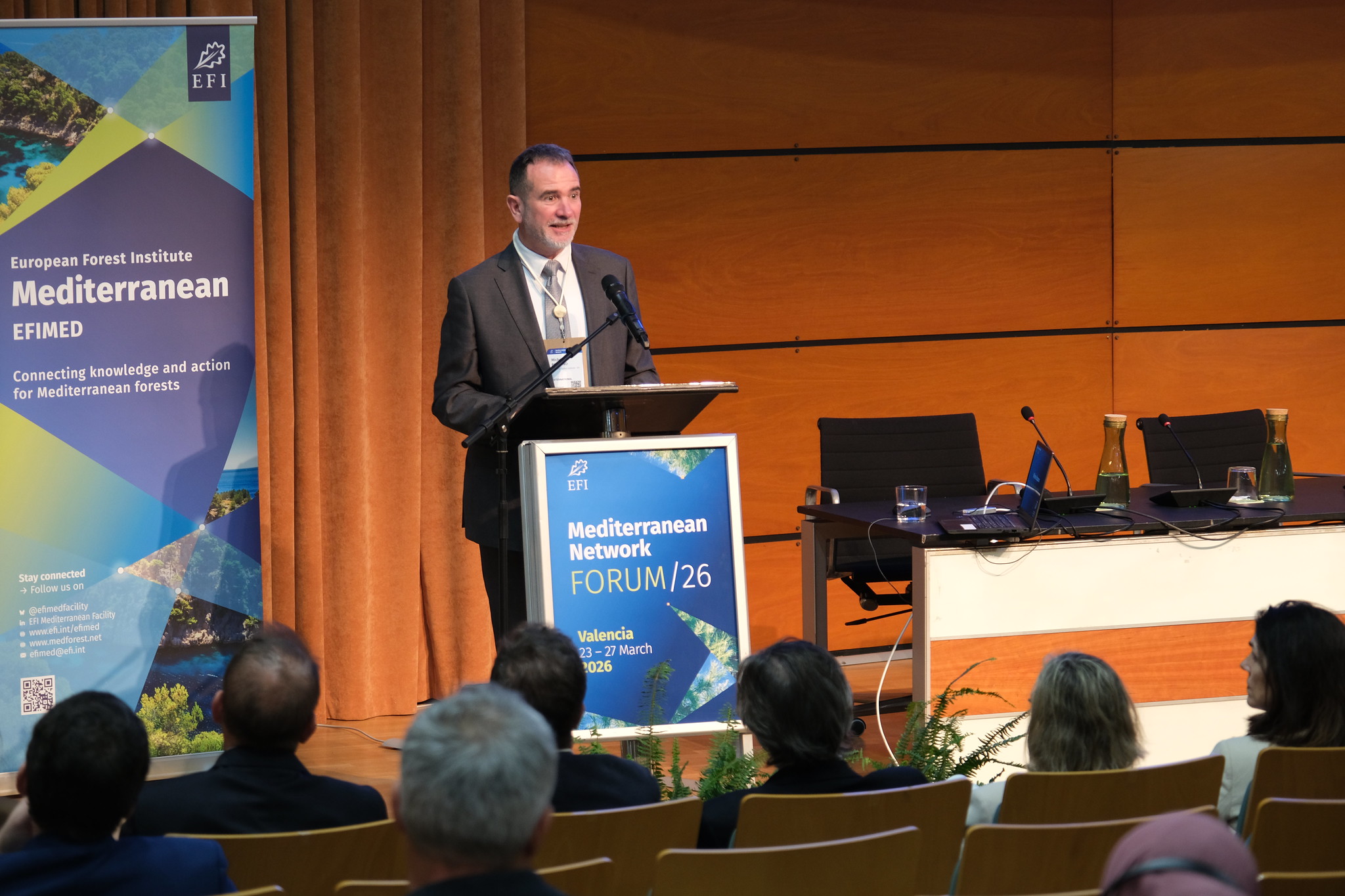
“The scale and quality of participation at this Forum reflects the growing recognition that Mediterranean forests need a coordinated, multilateral response. We leave Valencia with concrete outputs, new partnerships, and renewed determination”, says Michele Bozzano, Head of Engagement, European Forest Institute.
About the European Forest Institute (EFI)
The European Forest Institute is an international organisation that conducts research on forests and forest policy, supporting evidence-based decision-making across Europe and the Mediterranean. The EFI Mediterranean office, headquartered in Barcelona, coordinates the Institute’s work across the broader Mediterranean basin.
Media Contact:
Livia Podestà, Communications Manager at EFI
Livia.Podesta@efi.int, + 39 340 62 60 610
You can revisit some of the highlights of the Forum exploring the photos from the Forum, including sessions, networking moments and field visits.